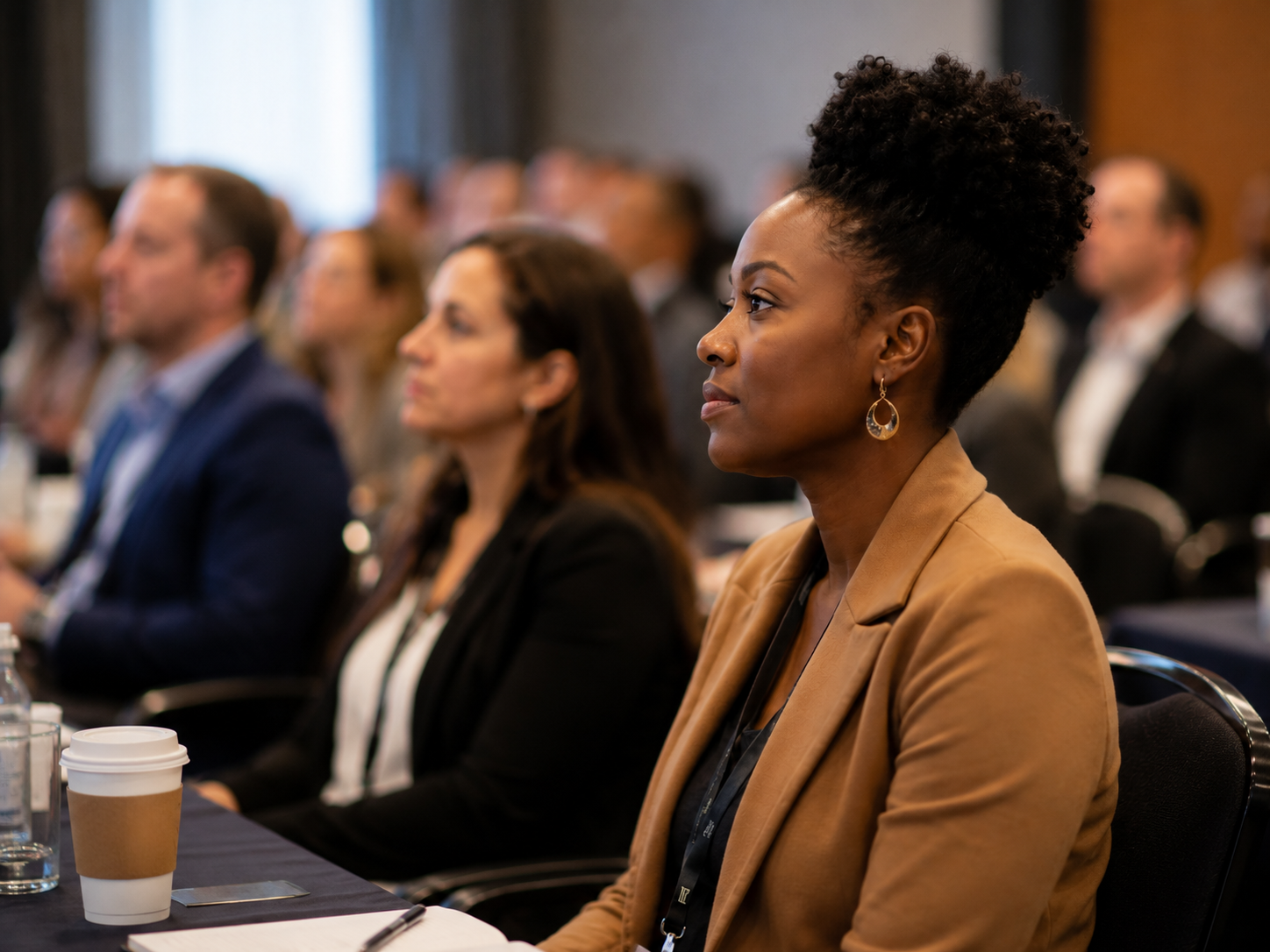
A useful AI workshop should build confidence, practical skills, and a clear next step. The format should match the organization's readiness, daily work, budget, and responsibility for data.
I get the same call every few weeks. “Ty, we want to do an AI workshop for our team. Can you come in?”
Yes. But first, let's figure out what you actually need.
Here's what I've learned after years of running AI workshops in Memphis: most organizations don't need a generic presentation. They need an honest conversation about their work, their people, and the decisions they're trying to make. The workshop is the format for that conversation.
A useful AI workshop should make people more confident, more capable, and clearer about what to do next.
Not All AI Workshops Are Created Equal
I generally organize AI workshops in Memphis around three levels of readiness. Choosing the right level matters more than choosing the longest session.
1. AI Awareness Workshop
A 90-minute awareness workshop is for organizations that know AI is changing their field but haven't decided what to do with it. We cover:
- What AI is, explained in plain language
- What today's tools can and can't do reliably
- How organizations like theirs are beginning to use AI
- Where overconfidence, privacy, and weak verification create risk
- A simple way to identify useful opportunities
The goal isn't to turn the room into an AI team. It's to replace mystery and fear with a shared starting point.
2. AI Skills Workshop
A half-day skills workshop is for teams that are ready to use AI in real work. We go hands-on with prompting, workflow-specific templates, evaluating outputs, privacy decisions, and a practical usage policy.
Participants should leave with something they built during the session, not a folder of slides they'll never open again. That might be a grant-writing template, a customer-service workflow, a lesson planning process, or a system for reviewing communications.
3. AI Integration Workshop
A multi-session integration workshop is for an organization ready to change how work moves. It begins with a workflow audit and continues through opportunity mapping, tool selection, pilot design, internal training, and measurement.
This is closer to guided implementation than a single event. Starting with one well-chosen workflow keeps the organization from buying too much technology before it understands the problem.
What Makes Memphis AI Workshops Different
Memphis organizations are practical. They want to know whether AI can help write grants faster, schedule staff, support students, improve customer communication, or produce music more efficiently. They're less interested in a distant prediction than a decision they have to make on Monday.
Budgets matter too. I'm not going to recommend a costly enterprise platform to a nonprofit that needs a simple, well-governed process. The tools have to fit the team's resources and the value they can realistically create.
Trust matters just as much. An AI workshop isn't only a transfer of information. People need enough trust to ask basic questions, admit what they don't know, and discuss where the technology shouldn't be used.
How to Know if Your Organization Is Ready
You're probably ready if:
- People are already using AI tools, even informally
- Some workflows are repetitive, slow, or prone to errors
- Leadership is open to changing a process after the workshop
- Someone can champion responsible use internally
- The organization is willing to begin with a small pilot
You're probably not ready if:
- You expect AI to fix a management or culture problem
- You want a one-time event to change everything
- The team still needs foundational digital skills
- You only want a list of tools without discussing the work
What an AI Workshop Costs in Memphis
Pricing depends on the workshop type, number of participants, customization, preparation, and number of sessions. I'm transparent about that because Memphis organizations need to budget realistically.
I'll also tell an organization when it needs a shorter engagement than it originally requested. The goal is to build the right learning experience, not the largest invoice.
The Bottom Line
An AI workshop should leave your team with three things:
- Confidence: They're no longer afraid of AI.
- Skills: They can use and evaluate AI in their work.
- Direction: They know what to try next and what to avoid.
If a workshop doesn't deliver those three things, it was a presentation. Memphis doesn't need more presentations.
For more context on how I approach this work, read AI Consulting in Memphis.
Plan an AI workshop for your organization.
Ty Boyland Consulting designs practical AI training for schools, nonprofits, businesses, creative teams, and workforce programs.
Start a conversation ↗Ty Boyland is an AI consultant, trainer, and workshop facilitator based in Memphis, Tennessee. He is the founder of Ty Boyland Consulting, an educator at Crosstown High, Grammy mentor, Recording Academy board governor, and Emmy-nominated producer.